October 29, 2026
What to Look for When Choosing a Cosmetic Clinic
By @cosmeticclinicplus
Walking into a cosmetic clinic for the first time can feel a bit like stepping onto uneven ground. You have done your research, read the reviews, and maybe even scrolled through a few before-and-after galleries. But once you are sitting in the waiting room, the real questions start to surface. Is this place right for you? Are the practitioners properly qualified? Will the results match what you imagined? These are not small concerns, and they deserve thoughtful answers. Over the years, I have seen how a well-chosen clinic can transform someone's confidence, and how a poor choice can lead to disappointment or worse. So let us talk about the practical things that matter when you are making that decision.
Start with the Practitioners, Not the Price List
It is tempting to compare treatment menus and price tags first, but the most important factor in any cosmetic clinic is the people delivering the care. In the UK, aesthetic treatments fall into a regulatory grey area. Some procedures, like anti-wrinkle injections and dermal fillers, can legally be performed by practitioners without a medical background, though the best results and safest outcomes come from those who have proper training and experience. Look for nurses, doctors, or dentists who have completed accredited courses in aesthetic medicine. Ask about their experience with the specific treatment you are considering. A practitioner who has performed hundreds of Juvederm treatments, for example, will have a much better feel for facial anatomy and natural-looking results than someone who just completed a weekend course.
I once visited a clinic where the lead injector had been a registered nurse for over a decade before moving into aesthetics. She explained exactly how she planned the placement of each syringe of hyaluronic acid filler, taking into account my facial structure and skin thickness. That level of detail is what separates a good experience from a mediocre one. When you book a consultation, you should feel that the practitioner is listening, not just ticking boxes on a consent form.
Treatments That Stand the Test of Time
A reputable cosmetic clinic will offer a range of evidence-based treatments, not just the latest trend they saw on social media. Botox remains one of the most popular and well-researched options for softening expression lines, and when used correctly, it can look completely natural. Dermal fillers, particularly those based on hyaluronic acid like Juvederm, provide volume and contouring that can last anywhere from six to eighteen months, depending on the product and placement. For skin texture and tone, HydraFacial has become a favourite because it combines cleansing, exfoliation, and hydration in one session, with no downtime. Microneedling, often paired with platelet-rich plasma, stimulates collagen production and can improve the appearance of scars and fine lines over several months.
IPL photorejuvenation and laser hair removal are two very different technologies that both rely on light energy, but they target different concerns. IPL works well for reducing pigmentation and broken capillaries, while laser hair removal offers a more permanent solution for unwanted hair. Chemical peels and microdermabrasion are older techniques that still deliver reliable results for exfoliation and brightness. And then there are the non-invasive body contouring options like CoolSculpting, which freezes fat cells, and Cryotherapy, which can reduce inflammation and boost recovery. Radiofrequency skin tightening and Ultherapy use heat energy to stimulate collagen deeper in the skin, offering a lift without surgery. CACI treatments, a long-standing favourite in UK salons, combine microcurrents with skincare products to tone facial muscles.
The point is not that you need to try everything, but that a clinic with a broad, established menu of services is likely investing in proper equipment and ongoing training. If a clinic only pushes one or two treatments and cannot explain the science behind them, that is a red flag.
The Consultation Is Your Best Tool
A thorough consultation should never feel rushed. This is your opportunity to ask about risks, recovery, and realistic outcomes. A good practitioner will be honest about what a treatment can and cannot achieve. For example, if you are considering dermal fillers for nasolabial folds, they should explain that results depend on your skin elasticity, age, and the specific product used. They should also discuss potential side effects, such as swelling, bruising, or the rare but serious risk of vascular occlusion. If a clinic guarantees a perfect result with no downsides, walk away.
I remember a consultation for radiofrequency skin tightening where the clinician spent twenty minutes explaining how the energy targets the dermis without damaging the surface. She showed me diagrams, discussed the number of sessions typically needed, and set realistic expectations about the degree of tightening. That transparency built trust. A cosmetic clinic that invests time in education and honest communication is one that respects you as a patient, not just a source of revenue.
Hygiene, Environment, and Aftercare
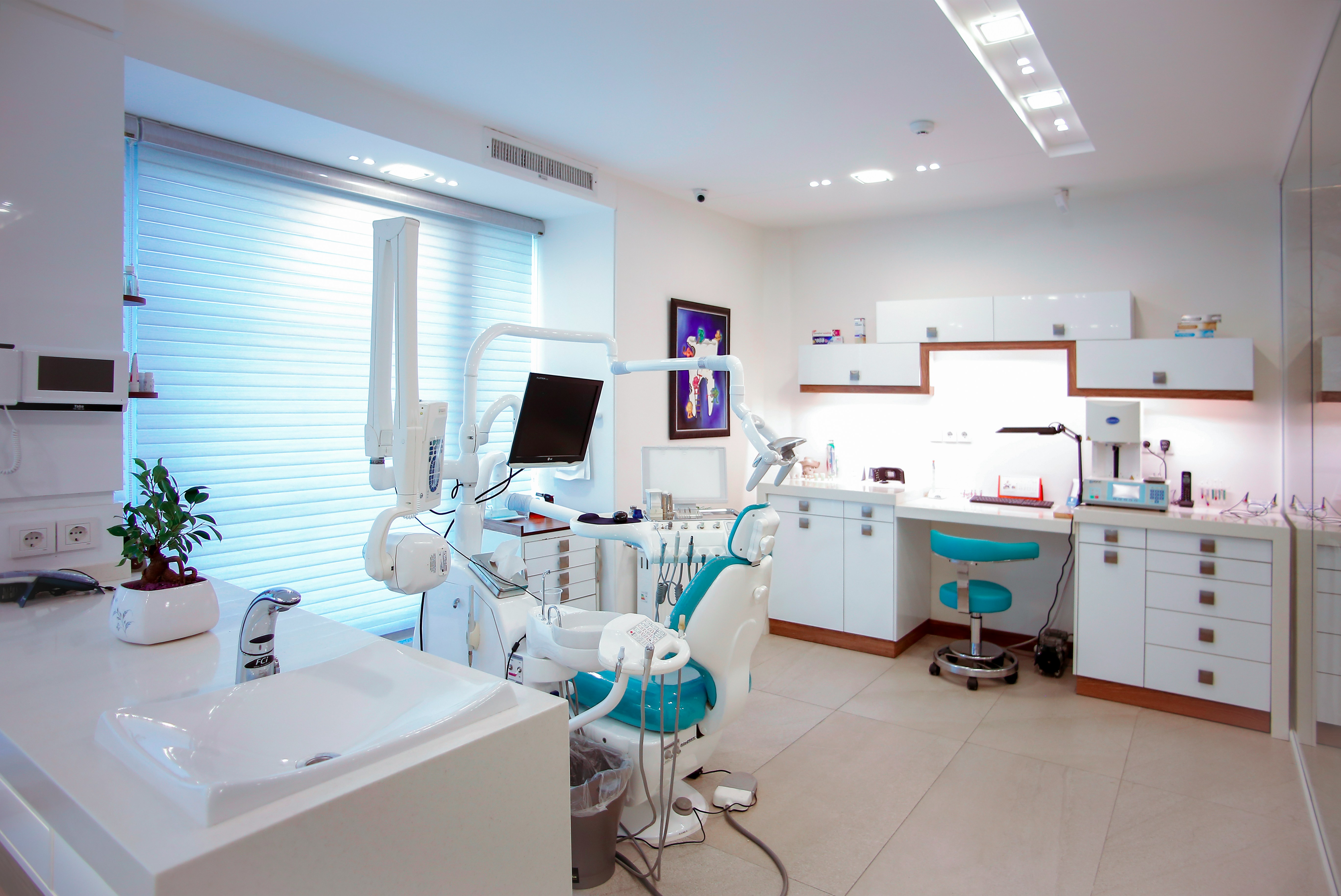
When you visit a clinic, pay attention to the little things. Are the treatment rooms clean? Do they use single-use needles and syringes? Is the staff wearing gloves and following proper protocols? These basics are non-negotiable. Beyond that, consider the atmosphere. A clinic that feels calm and professional will make your experience more comfortable. Ask about aftercare, too. Some treatments, like microneedling or chemical peels, require specific skincare routines in the days following. A clinic that provides clear aftercare instructions and a contact number for questions is showing that they care about your long-term results, not just the transaction.

Massage therapy is sometimes offered as an add-on in aesthetic clinics, and it can be a wonderful complement to more invasive treatments. It helps with relaxation, improves circulation, and can ease muscle tension after procedures like Botox or dermal fillers. It is a reminder that good aesthetic care is holistic, not just a series of isolated procedures.
Beware of Unrealistic Promises
The aesthetics industry is full of marketing that makes everything sound effortless and permanent. The truth is more nuanced. Botox results last three to four months. Dermal fillers gradually break down. Even a treatment like CoolSculpting requires maintenance sessions to sustain results. A trustworthy cosmetic clinic will set expectations that match reality. They will not promise that you will look twenty years younger after one session, and they will not pressure you into booking multiple treatments at once.
I have also noticed that some clinics rely heavily on brand names to sell treatments. While brands like Nivea Visage have a solid reputation in skincare, the products used in professional treatments are typically medical-grade and different from what you buy in a shop. Ask about the specific products and devices a clinic uses. If they mention CACI, for example, ask how the machine works and what results you can expect. A good clinic will be happy to explain.
Listening to Your Instincts
At the end of the day, choosing a cosmetic clinic is a personal decision. You should feel comfortable, informed, and respected throughout the process. If something feels off, it probably is. Trust your gut. The best clinics are those that treat you as an individual, not a case number. They take the time to understand your goals, explain the options, and support you through every step. That is the kind of care that leads to natural, satisfying results and a positive experience you will want to repeat.

Whether you are considering anti-wrinkle injections for the first time or looking to add HydraFacial to your skincare routine, the right clinic will make all the difference. Do your homework, ask the hard questions, and never settle for less than professional, transparent care.
❧